
Why Knees Get Achy - and What You Can Do About It
As we get older, particularly into our 40s and beyond, it’s incredibly common for the knees to start making themselves known. This isn’t a sign that anything is wrong, it’s simply the result of natural changes in our soft tissues - the muscles, tendons, ligaments and cartilage. In the same way our faces age, we get wrinkles as the skin gets looser and less elastic, the same happens to the soft tissues that support our joints.

Why Your Knees Might Be Aching
One of the biggest shifts is gradual age‑related muscle loss (sarcopenia). Muscle mass naturally decreases from the age of 30 onwards. Females can lose as much as 3% to 8% of muscle mass per decade & most men will lose about 30% of their muscle mass during their lifetimes. This reduces the support our muscles give to protect our joints & causes cartilage to wear.
When the muscles around the knees and hips aren’t quite doing their fair share, the joint ends up taking more of the load. Over time, that can lead to stiffness, irritation and that familiar midlife knee ache. Add to that, hormonal changes - less oestrogen, testosterone & disruption to our cortisol levels, inflammation can increase and all of a sudden everyday activities like walking, stairs, standing up from a chair or getting up from the floor, can all start to feel harder than it used to.
Other common culprits for grumpy knees include long stretches of inactivity, inconsistent activity levels & weight gain. Often it’s not one thing, but a collection of small factors that build up over time.
The good news? You can make a real difference with regular movement & simple, consistent strength work.
How Exercise & Strength Training Helps Your Knees Feel Better
Regular exercise keeps joints flexible and reduces stiffness. When we move, synovial fluid is released into the joint – think of this stuff as the WD40 of the body! Motion is lotion…the fluid lubricates the joints and stiffness eases.
Find an activity that you enjoy and you’ll be more inclined to stick with it. Walking, swimming, Pilates & cycling are all great for the joints, but without doubt strength training is one of the best ways to protect & support your joints. It doesn’t even need to be heavy or complicated, it just needs to be consistent. Even just two 30 min sessions per week can make a big difference.
Here’s why strength training works:
It gives your knees more support
Strong muscles act like scaffolding around the joint, helping absorb force so the knee doesn’t have to. Also, the stronger the muscles, the more space between the bones of the joint. Think of it like pumping air into your tyres!
It improves how your knees move
Strengthening the glutes, quads and hamstrings helps your knees track more smoothly, reducing irritation within the joint.
It can reduce pain
Slow, progressive strengthening improves stability and function, which often leads to less discomfort over time.
What Can I Do Right Now?
To begin, just bodyweight exercises will help to make progress.
Start simple.
Move with control.
Build gradually.
Above all, consistency wins. A couple of short strength sessions each week will do far more for your knees than the occasional big workout.
Great options include:
squats
glute bridges
leg raises
lunges
side‑lying leg work
core strengthening
Get in touch if you would like a foundation bodyweight exercise sheet which provides a few examples of these movements, how to make them more or less challenging and how to get the right focus on form.
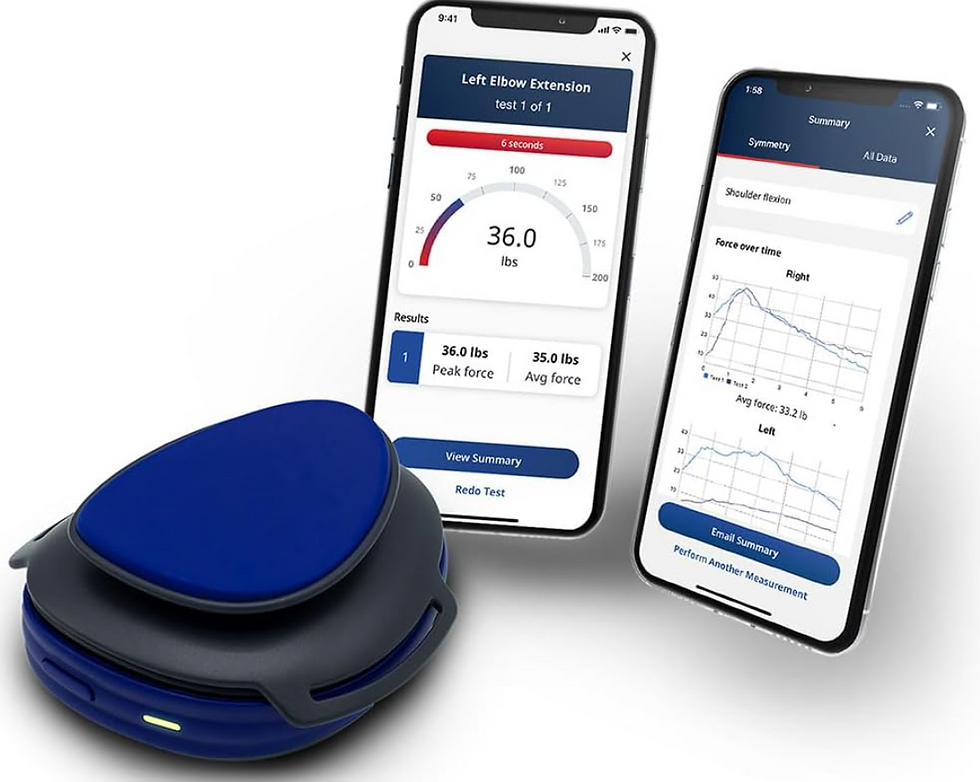
If you are looking for a more personalised plan, I also offer Movement Assessments, which takes a statistical look at your joint range of motion, muscle strength & functional movement. Data collected in these sessions is used to provide a personalised exercise programme, to address imbalances in muscle strength and restriction in joint movement.
And don’t forget mobility. Tight hips, hamstrings or ankles can all change how your knees load, so a few minutes of gentle stretching can make a noticeable difference. I am a big fan of Mark Fanchi’s mobility flows. Mark is my own Soft Tissue Therapist & I like to follow his stretch videos at home between treatments. Take a look at his YouTube channel to find your perfect routine.
A Final Thought
Achy knees in midlife are incredibly common, but often they’re not something you just have to put up with. With consistent strength work, some mobility and a mindful approach to how you move; your knees can feel more supported, more resilient and more comfortable day to day.


